
Eyonic ELV Service
Practical planning, supply and installation
Eyonic balances protection, budget, family access and day-to-day usability for homes across Sarawak.
01
Site survey
02
System proposal
03
Installation & handover
Where we have done this
Installed for practical Sarawak client needs
Eyonic supports this service for client types such as homes, retail shops, offices and operating sites that need dependable security, access or connectivity.
Why you need it
A system that solves a real site problem
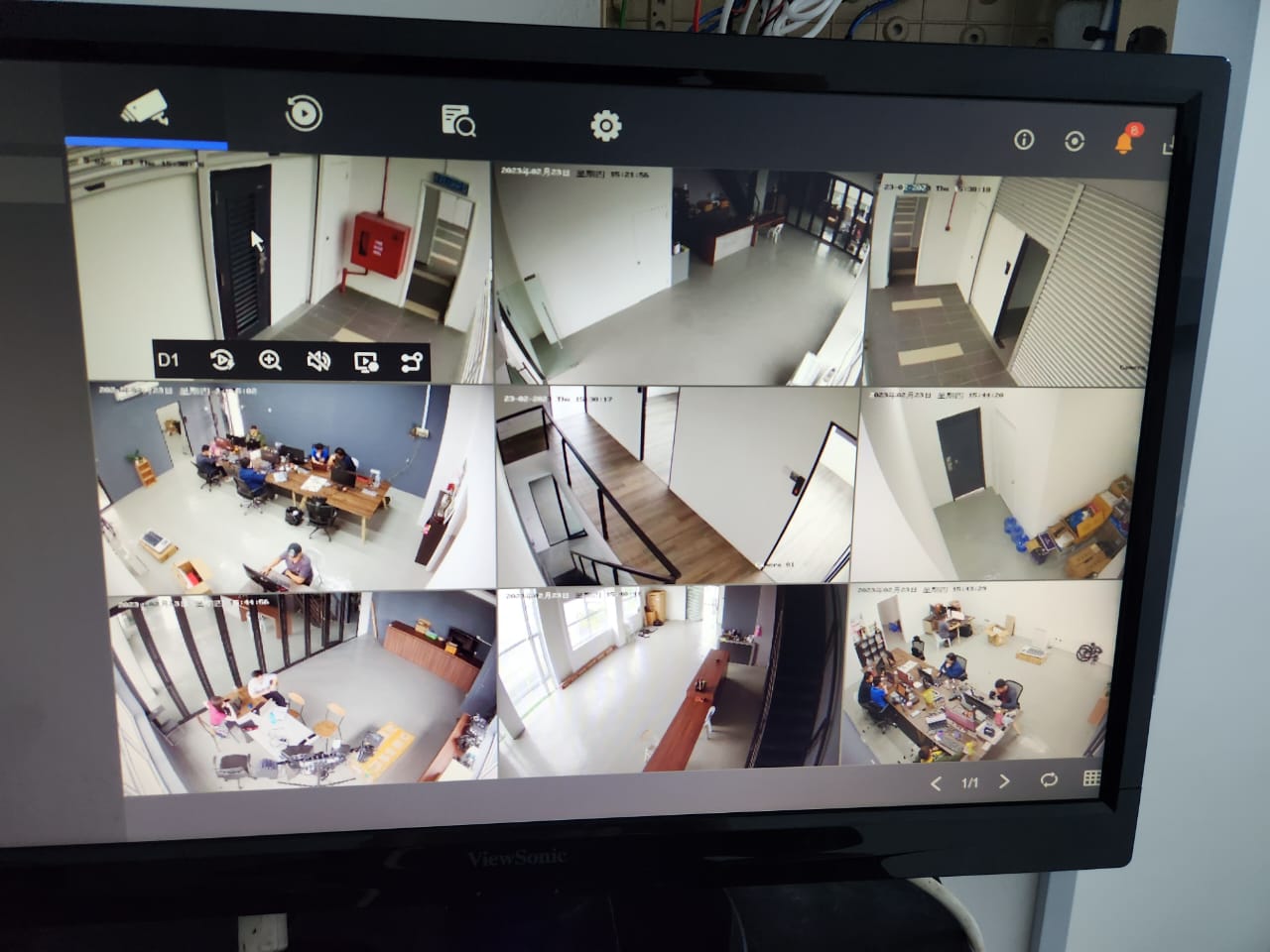
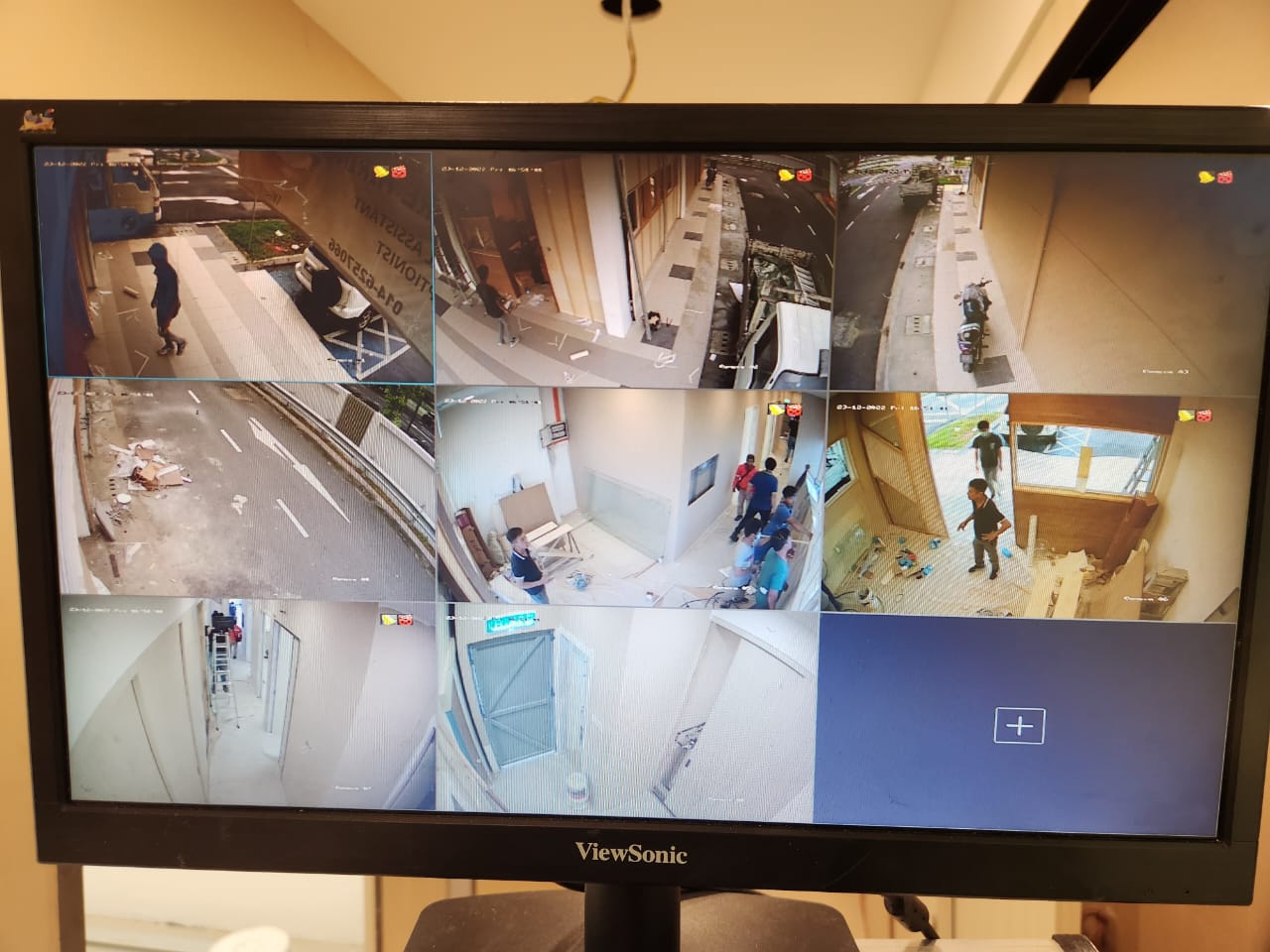
Home security combines CCTV, smart locks, alarms and mobile viewing into a setup that fits family routines. It helps protect entrances, monitor activity and make access more convenient without overcomplicating the house.
Why it is good
The best home security setup balances budget, visibility, user comfort and practical daily use. Eyonic can recommend a simple starting point and leave room for future upgrades.
Is it worth it?
It is worth it when you want a safer, easier-to-check home setup. The value is not only in equipment, but in having a system your family can actually use confidently.
How much does it cost?
We have promo RM1500 for a basic system setup. WhatsApp me now!! Final pricing depends on site condition, equipment selection and installation scope.
WhatsApp me nowWhat to expect from us
Clear recommendations, clean work and useful handover
- Home layout review and priority-point planning
- Basic CCTV, alarm or smart-lock setup based on need
- Mobile viewing and user handover for family members
Detailed guide
What is Home Security?
Home Security is a practical residential CCTV, alarm and smart access system planned for terrace houses, semi-detached homes, bungalows, apartments, family homes, gates, porches, back doors and internal priority areas. In simple terms, it is not only a product purchase. It is a site system made from the correct equipment, suitable mounting locations, clean cabling, proper configuration, user training and support after installation. The right setup should make the property easier to manage every day, whether the user is a homeowner checking activity from a phone, a shop owner reviewing an incident, an office manager controlling staff entry or an operations team keeping a remote site connected.
For Eyonic, the starting point is always the real site. We look at how people enter, where staff or family members move, where equipment can be installed neatly, what the user wants to see or control, and what will happen after installation day. A home security system should answer a clear need: safer entry, better visibility, faster checking, more convenient operation, stronger communication or more reliable connectivity. That is why we avoid treating every property the same way.
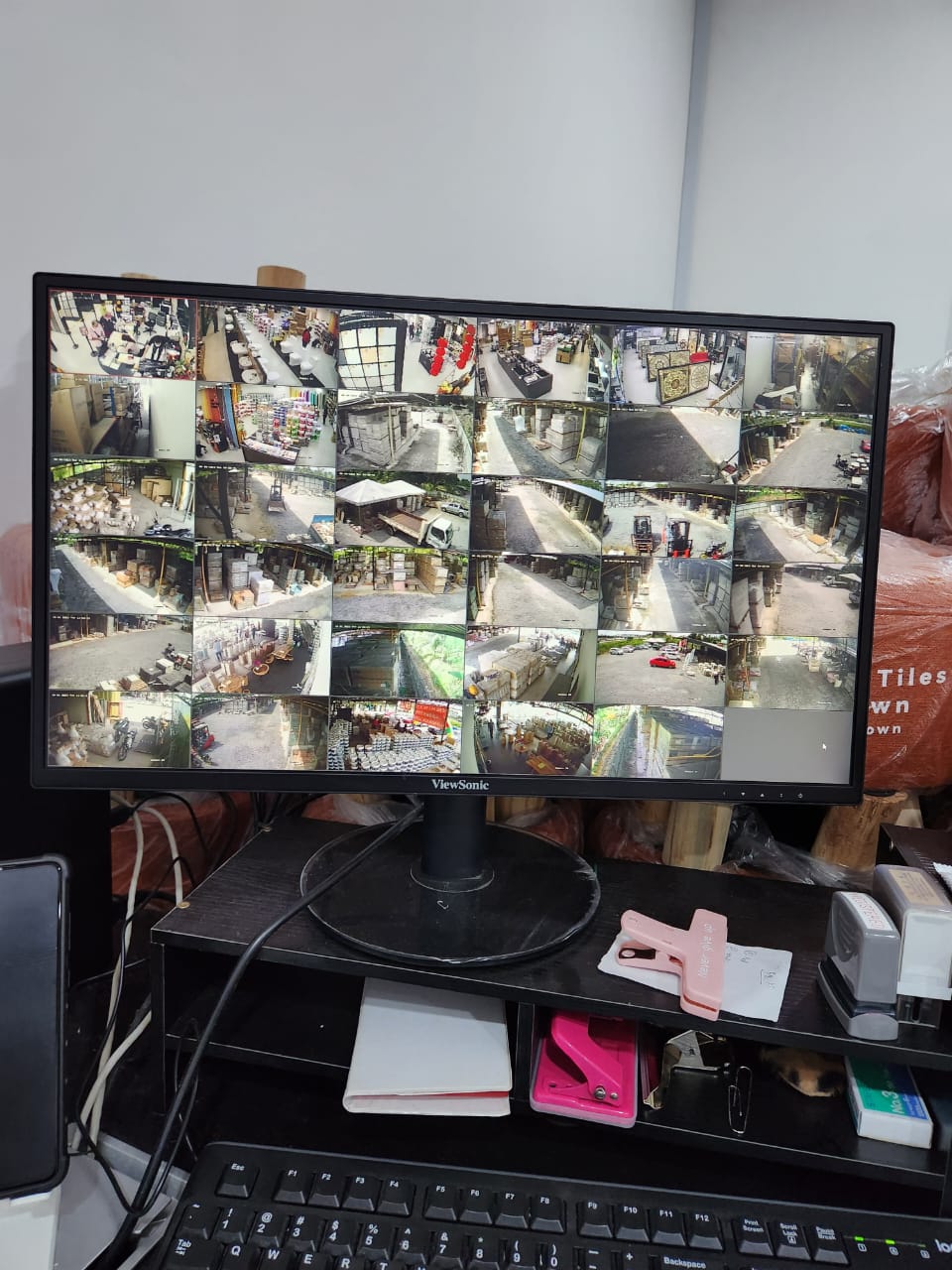
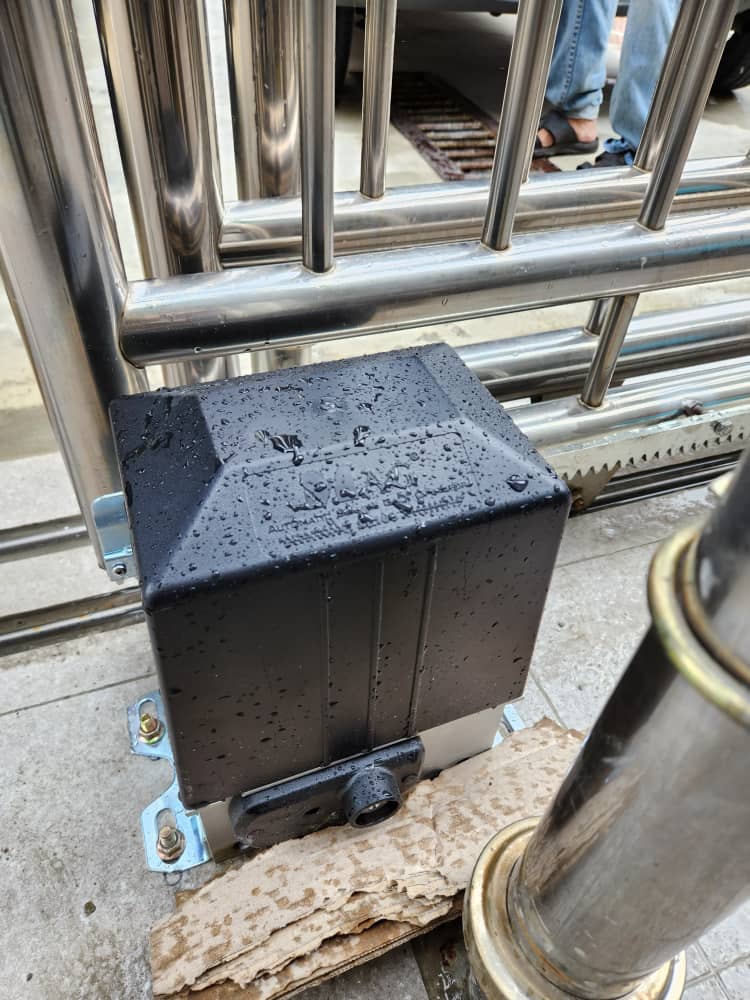
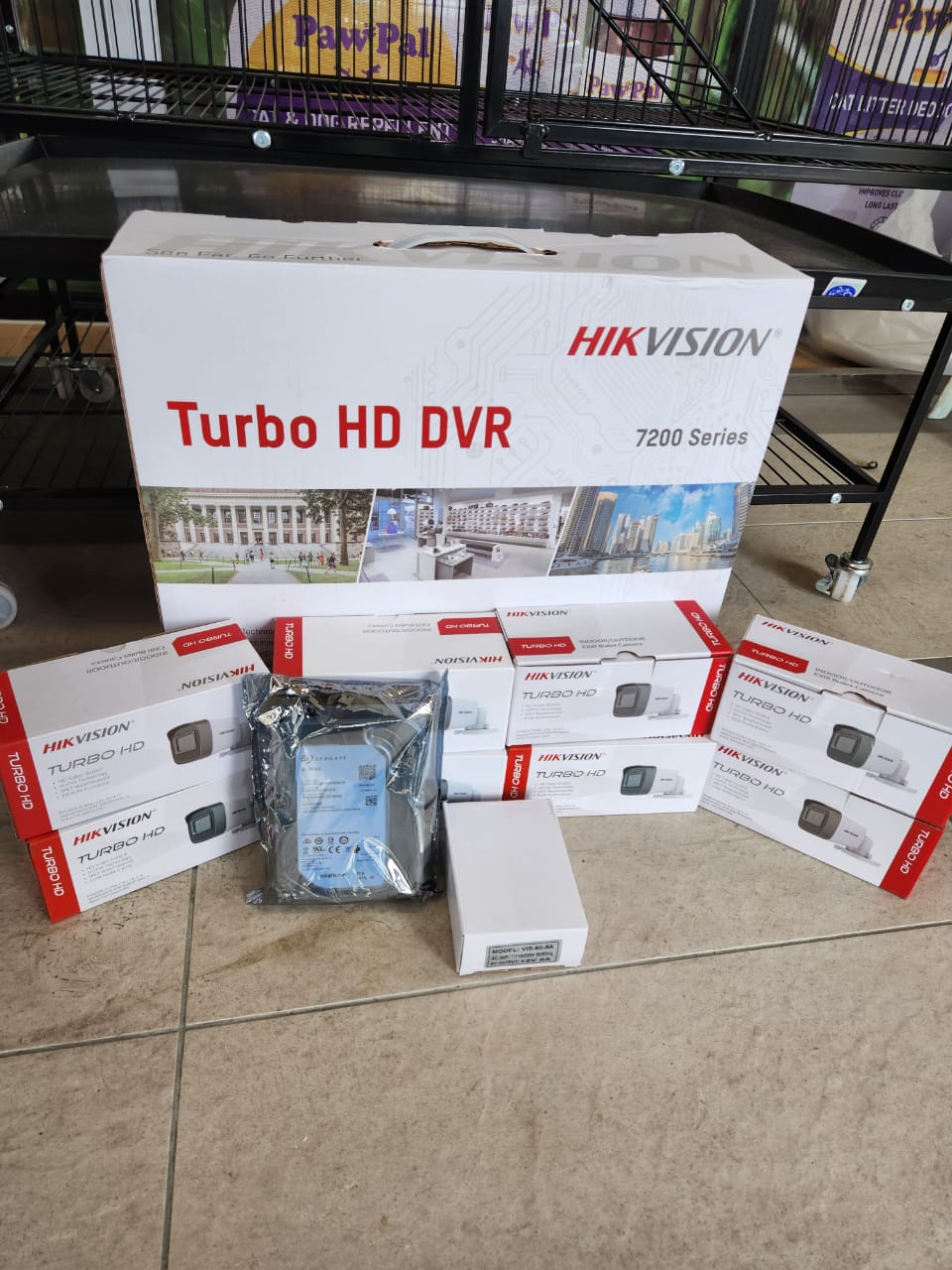
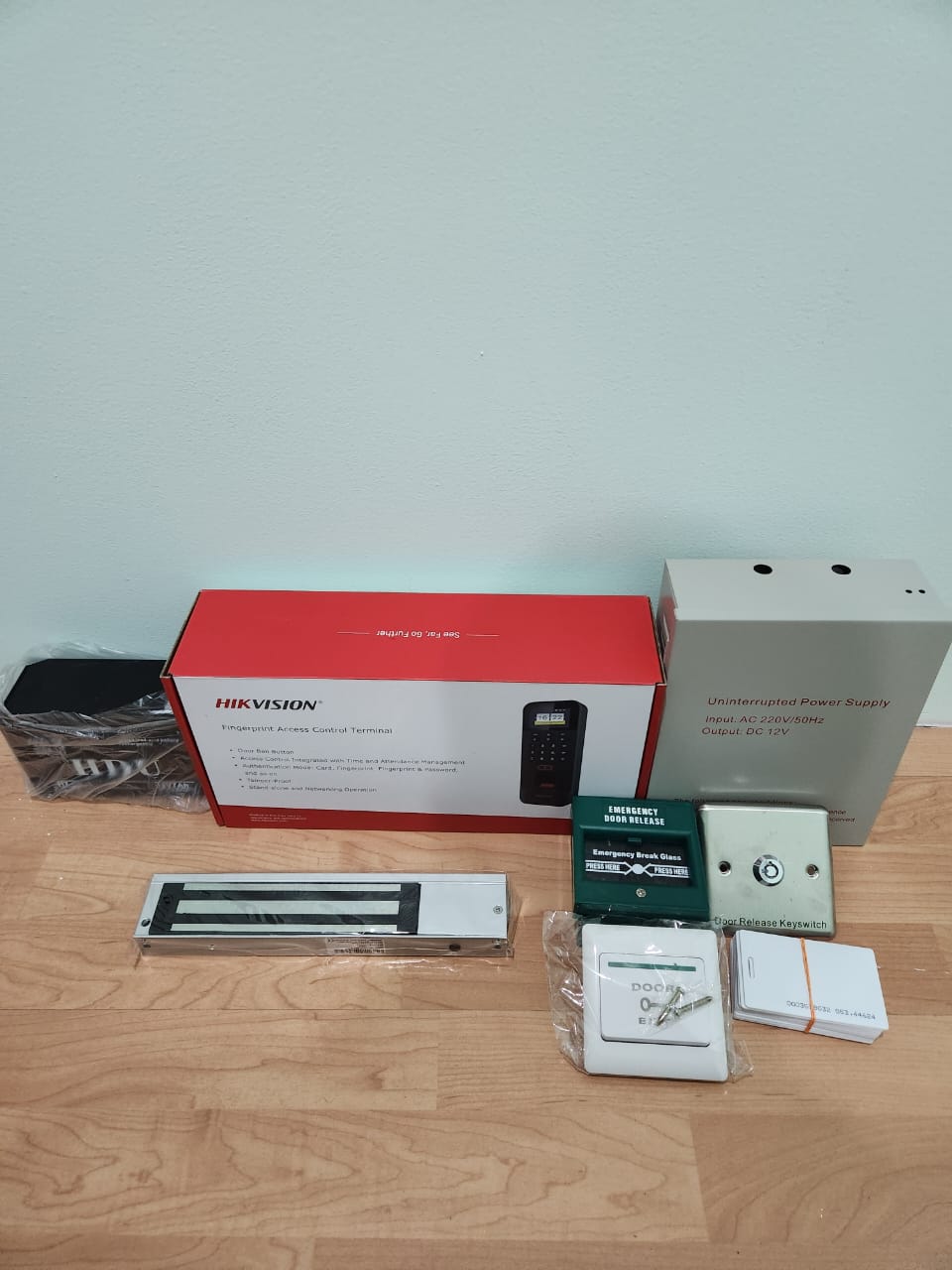
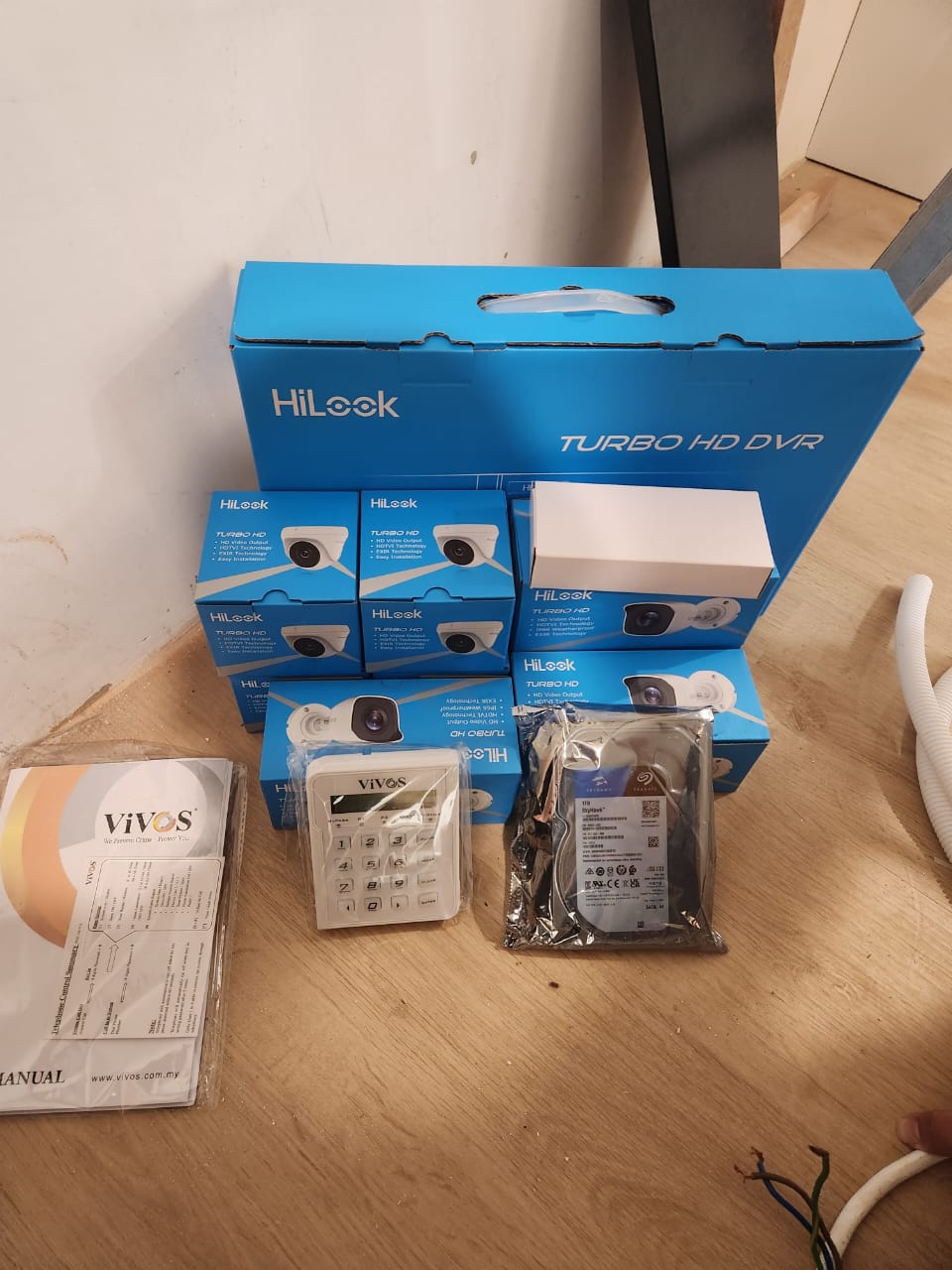
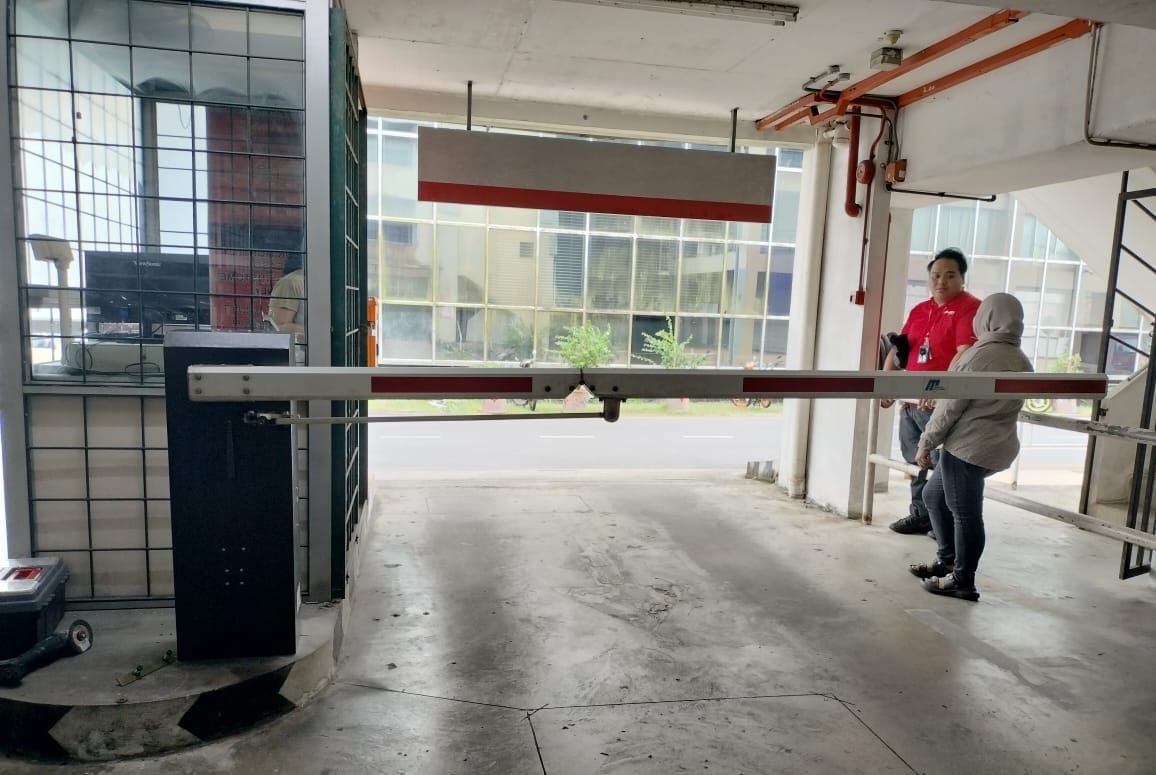
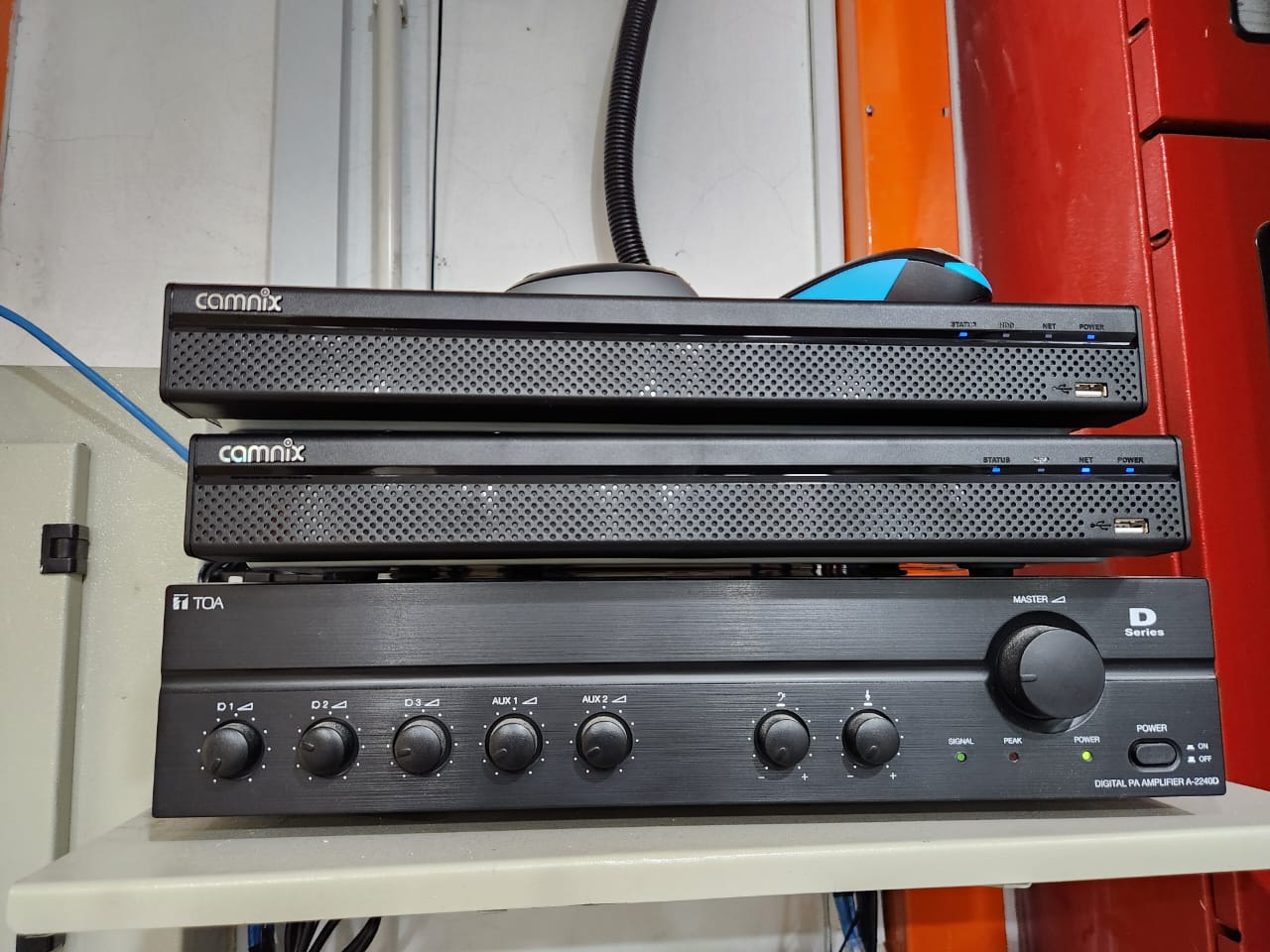
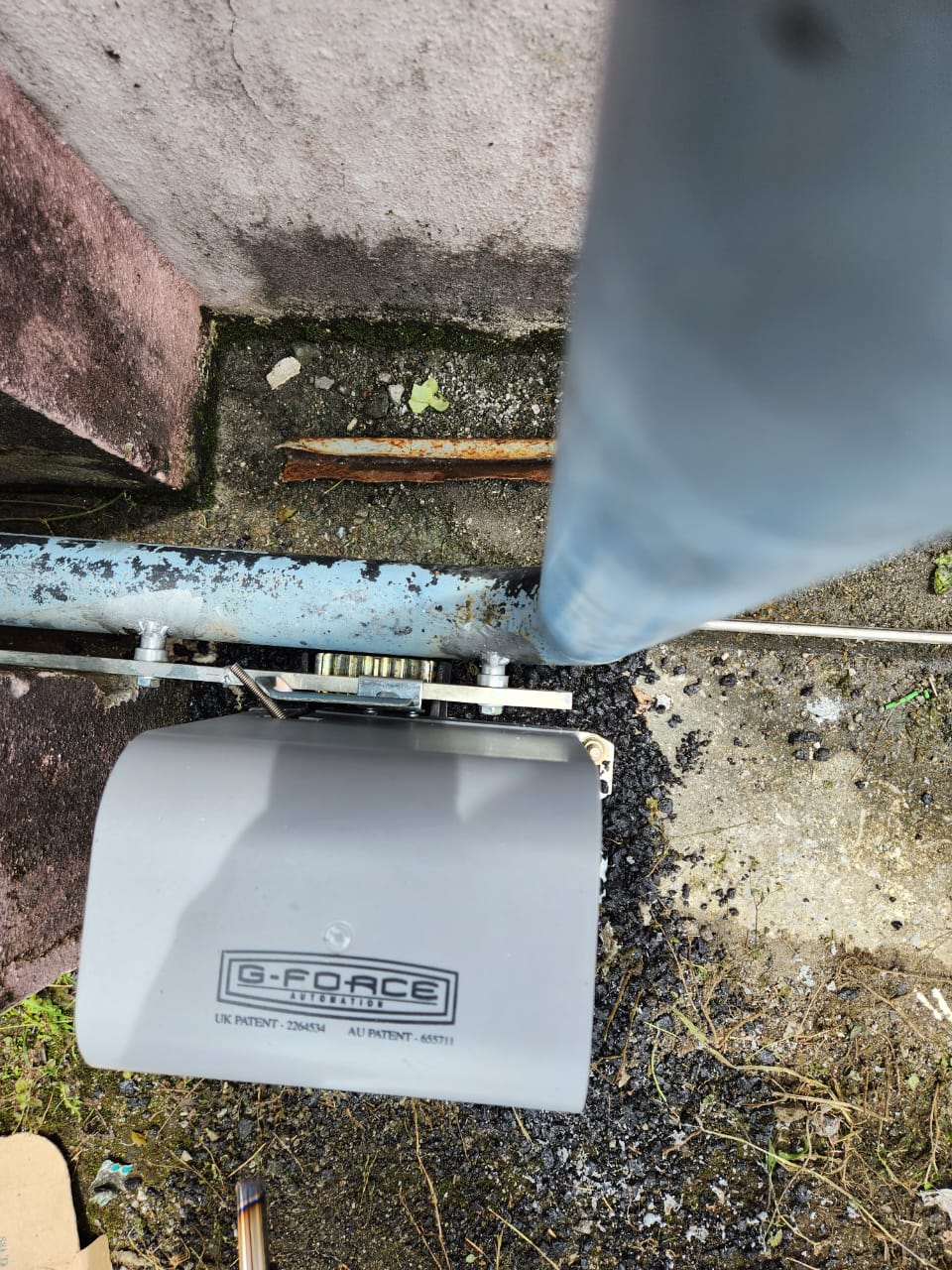
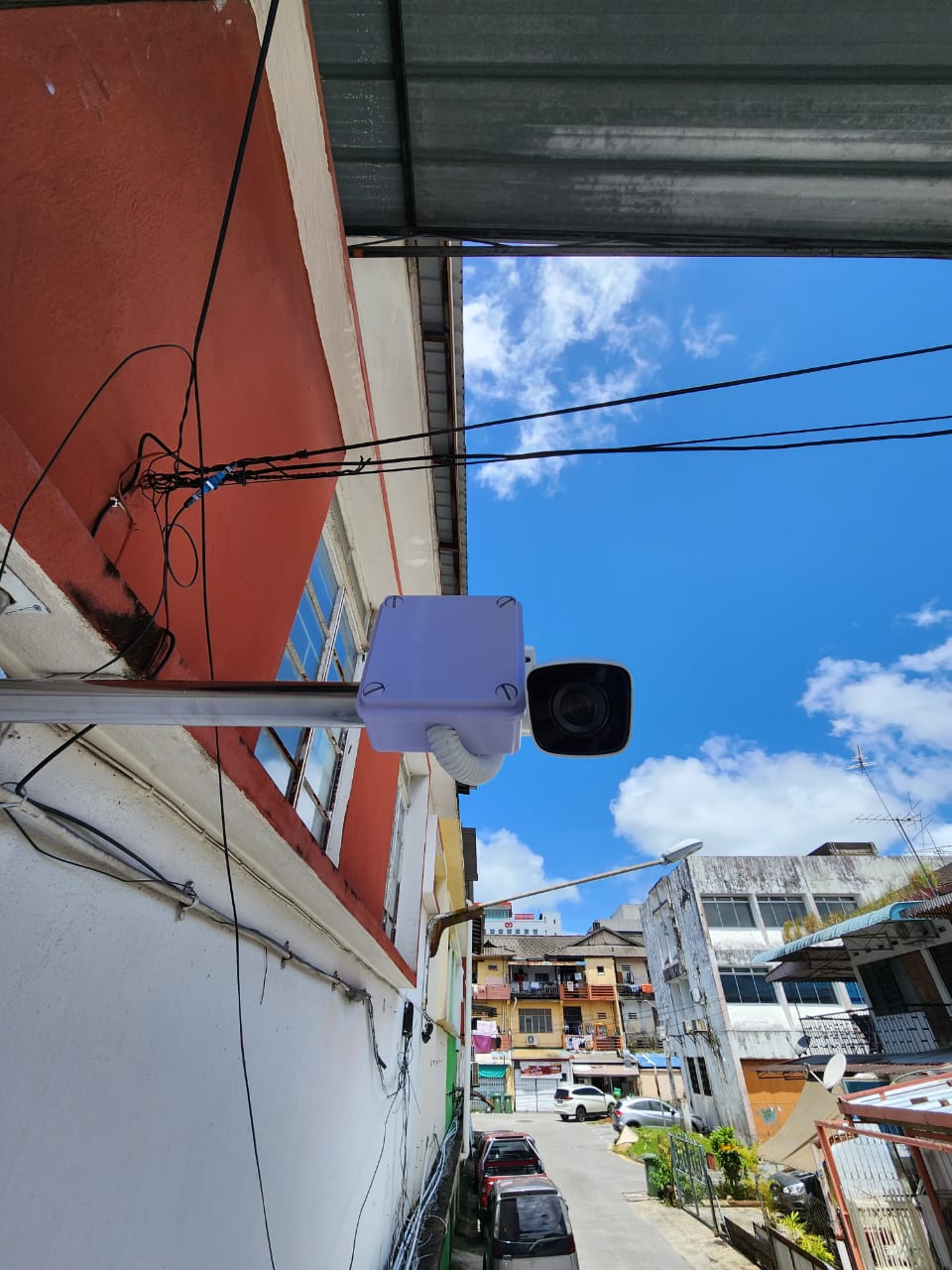
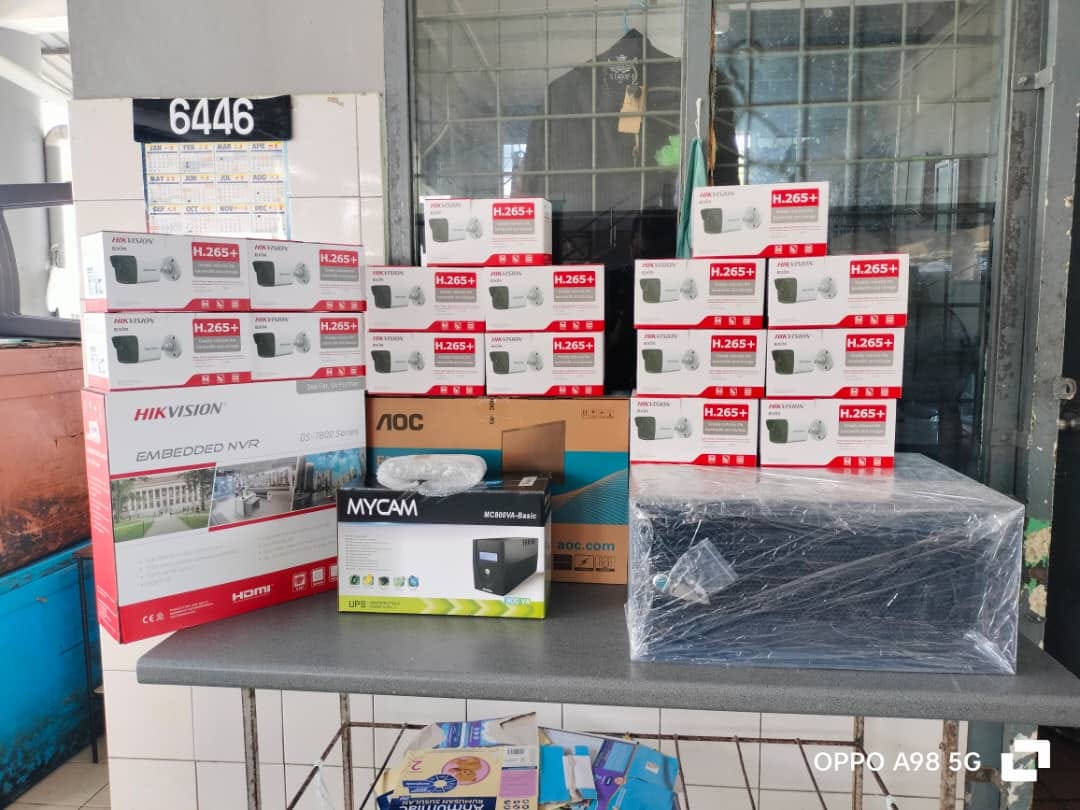
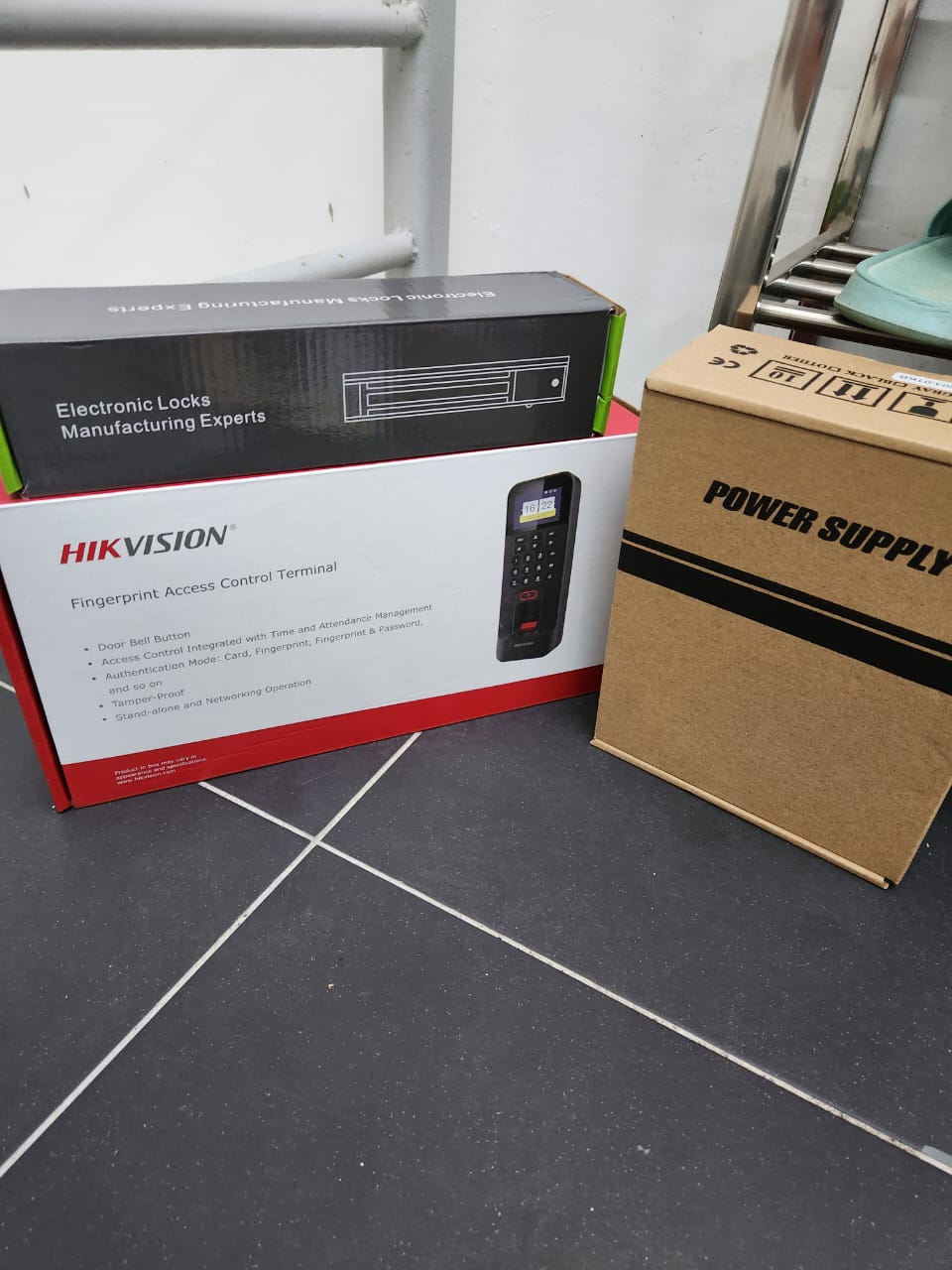
A complete home security system can involve CCTV cameras, recorder, mobile viewing, smart locks, alarm sensors, siren, door contacts, autogate options, Wi-Fi and family user setup. Some projects need only a small starter setup, while other sites need a more integrated design across CCTV, access control, alarm, intercom, autogate, internet and monitoring points. The important part is choosing the level that fits the actual risk, budget and operation. When the system is planned well, the owner gets a cleaner result and avoids paying for hardware that does not solve the main problem.
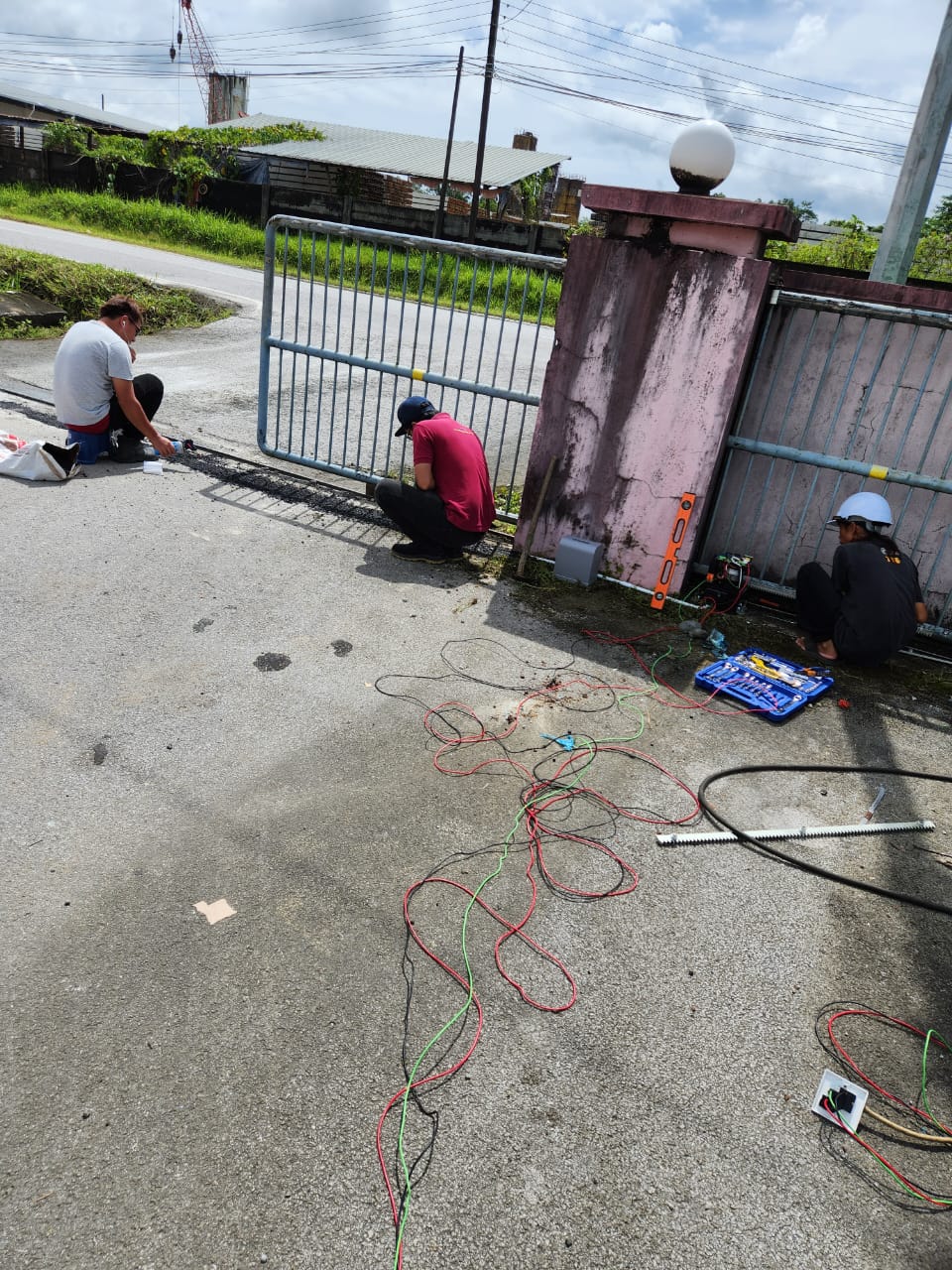
The main planning focus is family routine, entry points, privacy, night visibility, mobile access, alarm zones, elderly users, children, visitor handling and future upgrade paths. These details sound technical, but they are what decide whether the system feels useful after handover. A camera that cannot see the face, a door lock installed on a weak frame, an alarm sensor facing the wrong movement path, a gate motor fitted on a poorly aligned gate or a router hidden in the wrong corner can all reduce the value of the installation. Careful planning prevents those common issues.
The risk of a rushed installation is that buying isolated devices without a plan can leave the home with app overload, blind spots, confusing passwords and systems family members avoid using. This is why Eyonic explains the practical trade-offs before installation. Sometimes the best recommendation is not the most expensive option. Sometimes it is a cleaner cable route, a better mounting height, a stronger power point, a more suitable device model or a simpler system that the customer can operate confidently.
The outcome we want is a safer, easier-to-check home with practical visibility, controlled entry and alerts that family members can understand. We want the system to work for the person using it at 8 AM on a busy day, at night when the site is closed, during rain, during a power interruption and months after installation when footage, access or alerts may suddenly matter. Good ELV work is not only about making devices turn on. It is about making the system understandable and dependable.
Installation workflow
How we install it
Our installation method is built around survey, recommendation, installation, testing and handover. The exact equipment changes from one service to another, but the discipline is the same: understand the site first, install neatly, configure properly and make sure the user knows what to do after we leave.
01
Walk through entrances, porch, gate, back lane and family routines
This step keeps the final system aligned with the property layout, the user routine and the practical support needs after handover.
02
Choose a practical mix of CCTV, smart lock, alarm or autogate
This step keeps the final system aligned with the property layout, the user routine and the practical support needs after handover.
03
Plan cable routes, Wi-Fi, app access and privacy-sensitive areas
This step keeps the final system aligned with the property layout, the user routine and the practical support needs after handover.
04
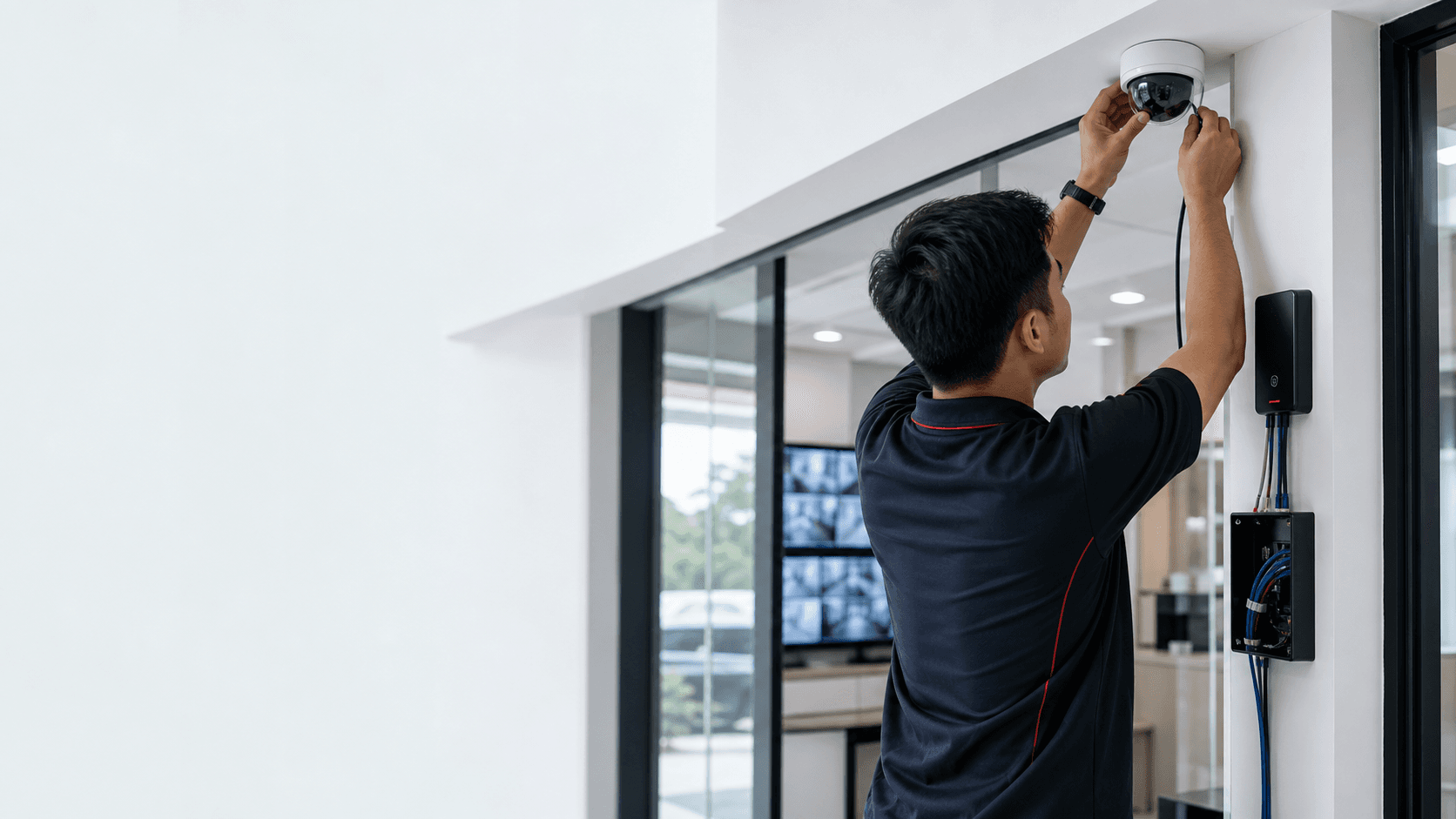
Install devices neatly with attention to home appearance
This step keeps the final system aligned with the property layout, the user routine and the practical support needs after handover.
05
Set up family users, mobile viewing and alarm operation
This step keeps the final system aligned with the property layout, the user routine and the practical support needs after handover.
06
Teach daily use, playback, arming and support basics
This step keeps the final system aligned with the property layout, the user routine and the practical support needs after handover.
Why you need it
Useful when the site needs clearer control
Home security combines CCTV, smart locks, alarms and mobile viewing into a setup that fits family routines. It helps protect entrances, monitor activity and make access more convenient without overcomplicating the house.
You may need home security if your site has repeated uncertainty: you are not sure who entered, you cannot check a location remotely, staff have to manage keys manually, visitors wait without direction, or the internet behind your security system is unreliable. These are operational problems, not just equipment problems. A well-planned installation reduces the guesswork and gives the owner a clearer way to respond.
Home Security is also useful when the property is growing. A home may start with only a few important entry points, then later add alarm zones, smart locks or autogate. A business may begin with CCTV and later add door access, intercom or backup internet. When Eyonic plans the layout, we consider how the system may expand so the first installation does not block future improvement.
Site-fit chart
Where it performs well
Family usability
88%
Simple handover helps everyone use it.
Home visibility
86%
Key entry points matter most.
Upgrade path
81%
Good planning leaves room to add devices later.
Best for
families who want stronger daily protection, remote viewing, simpler access and a home setup that can grow over time
Main outcome
a safer, easier-to-check home with practical visibility, controlled entry and alerts that family members can understand
Main risk if done badly
buying isolated devices without a plan can leave the home with app overload, blind spots, confusing passwords and systems family members avoid using
Comparison table
Choosing the right level of system
| Option | What it means | Best use case |
|---|---|---|
| Starter home CCTV | Key cameras and mobile viewing | Best for basic home visibility |
| Home alarm package | Sensors, siren and arming routine | Best for after-hours intrusion alerts |
| Integrated home security | CCTV, smart lock, alarm and gate planned together | Best for complete family convenience |
Pros
What works well
- Combines practical safety, visibility and access convenience
- Can start small and expand when budget allows
- Mobile viewing helps families check home activity quickly
- Planning around real routines makes the system easier to use
Cons
What to plan carefully
- Too many separate apps can confuse family members
- Wi-Fi coverage may limit smart devices without network planning
- Privacy areas must be respected when placing cameras
- Family users need a simple handover, not only equipment installation
Eyonic experience
How our experience helps your site
Eyonic can do this for you from consultation to handover. We start by listening to the problem you want to solve, then we check the site condition, recommend a practical scope, explain what should be installed, and carry out the work with clean cabling and proper testing. If the site needs a basic package, we keep it simple. If the site needs a more complete solution, we explain the stages clearly so the owner can decide with confidence.
Our experience comes from working with Sarawak homes, shops, offices, service counters, education sites, government-related environments, hospitals, utility teams and remote operations. These environments do not behave the same way. A home needs family-friendly use. A retail shop needs transaction visibility and after-hours checking. An office needs access permissions. A remote site needs connectivity. This mix of experience helps us ask better questions before recommending equipment.
After installation, we test the system with the user in mind. That means checking viewing angles, playback, lock behavior, alarm triggers, gate movement, intercom audio, Wi-Fi reach or queue calling flow depending on the service. We also explain the daily steps: how to view, how to open, how to arm, how to reset, how to call, how to check internet status and when to contact us for support.
How we can do it for you
A practical path from inquiry to working system
01
Contact
Send us your location, property type and what problem you want to solve.
02
Survey
We review layout, cable paths, power, network and daily user flow.
03
Proposal
We recommend a practical scope with clear equipment and installation notes.
04
Install
We install, configure and test the system under normal site conditions.
05
Support
We hand over the system and remain available for practical after-sales support.